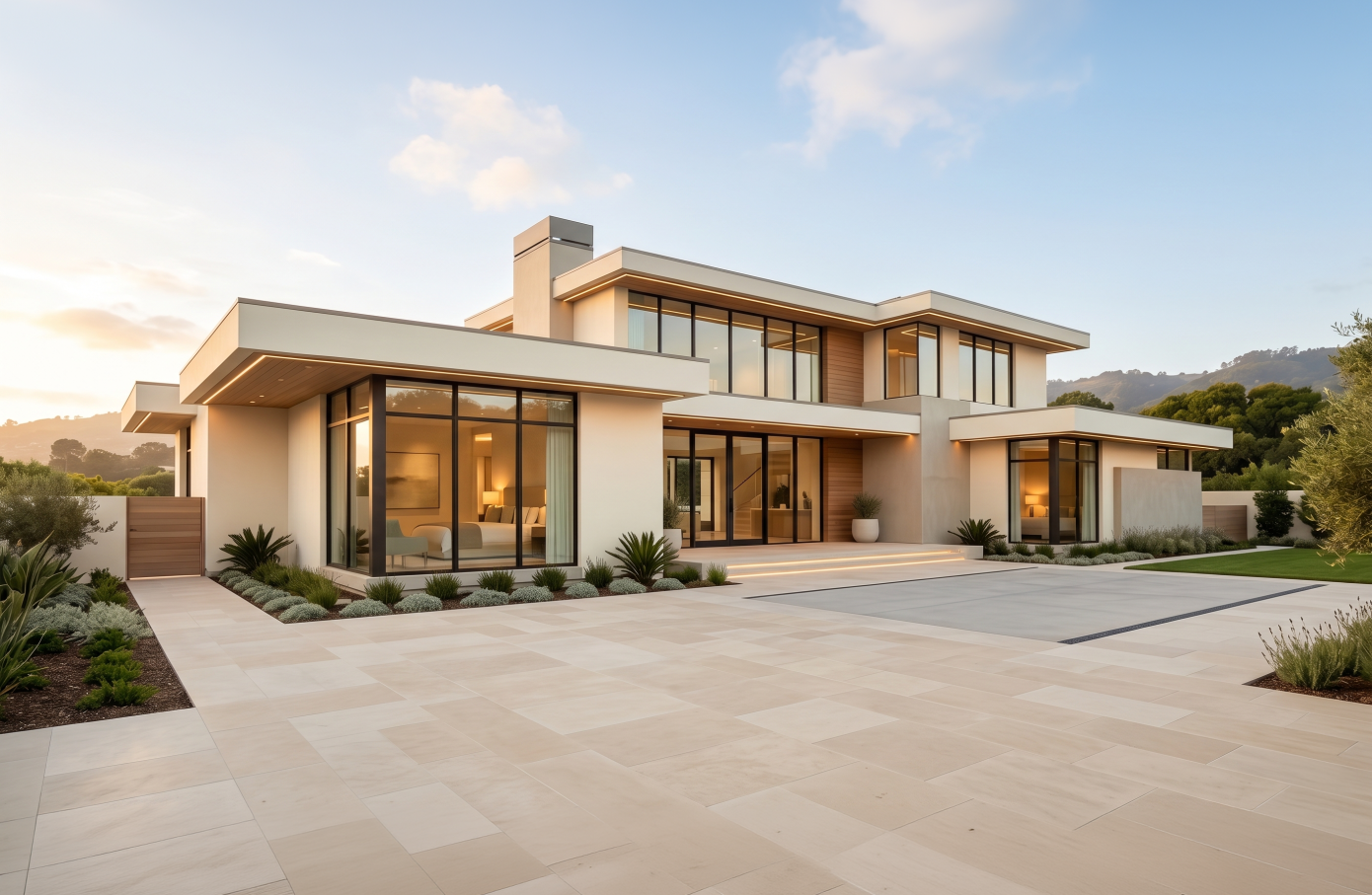
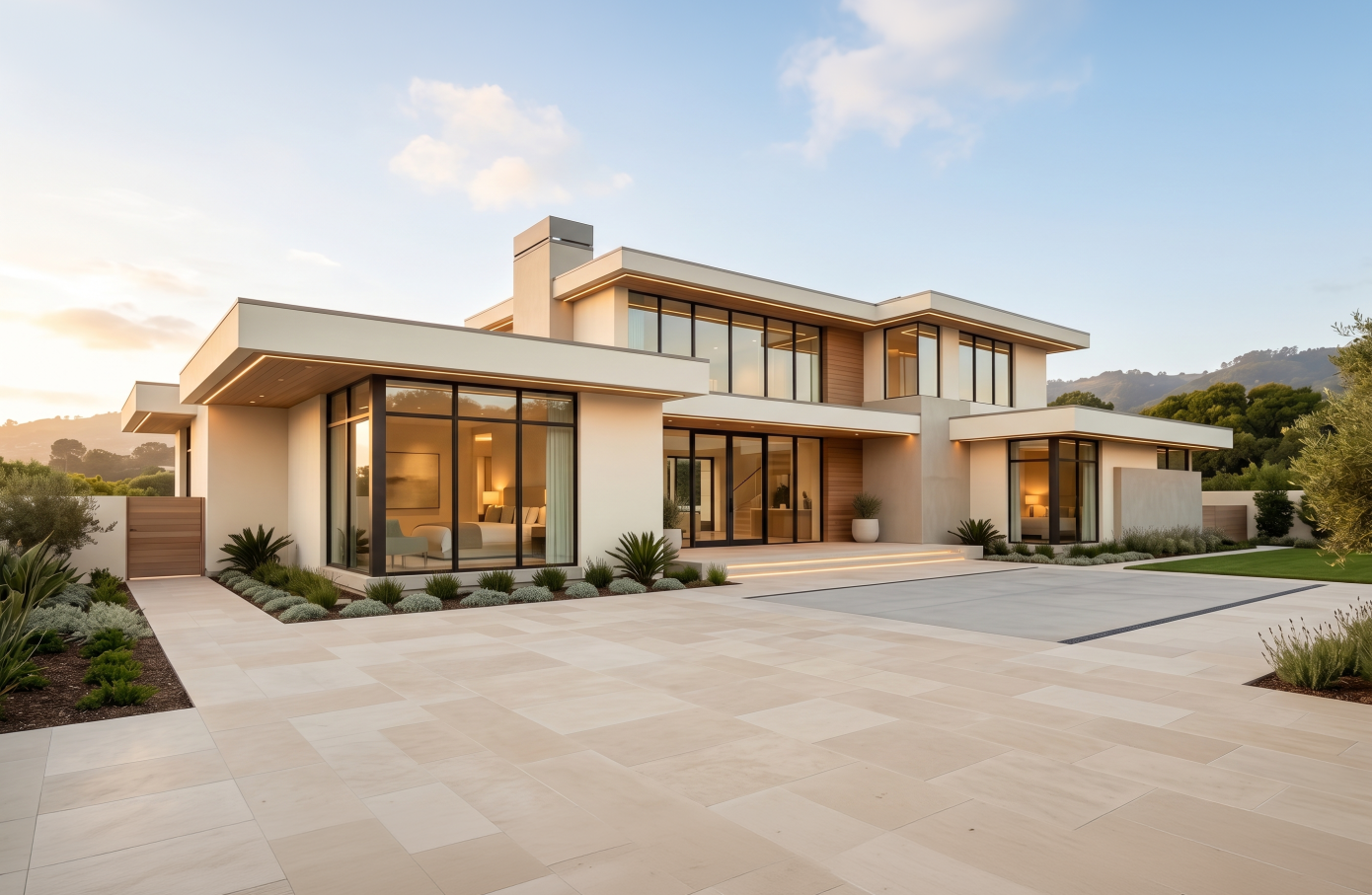
Luxury New Construction
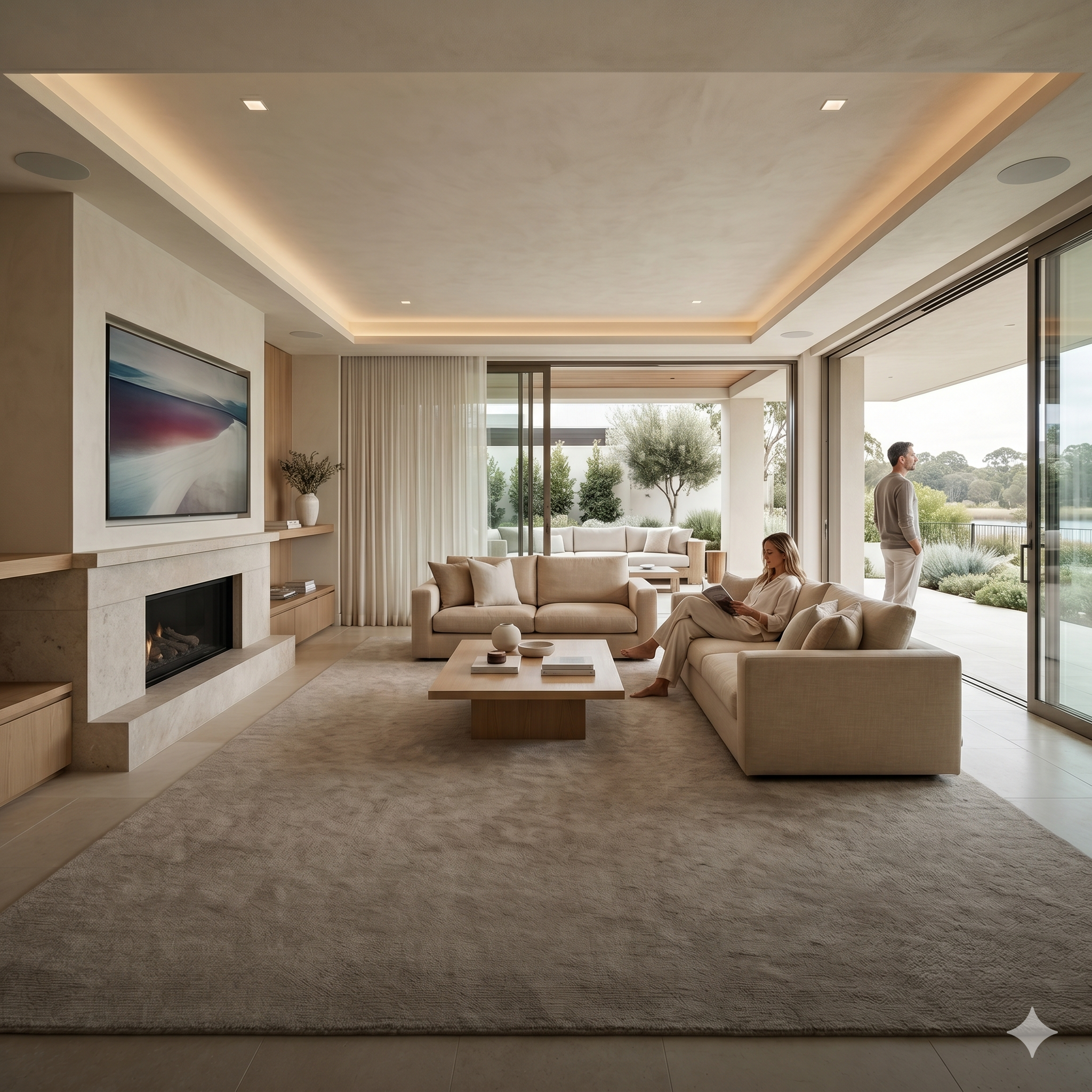
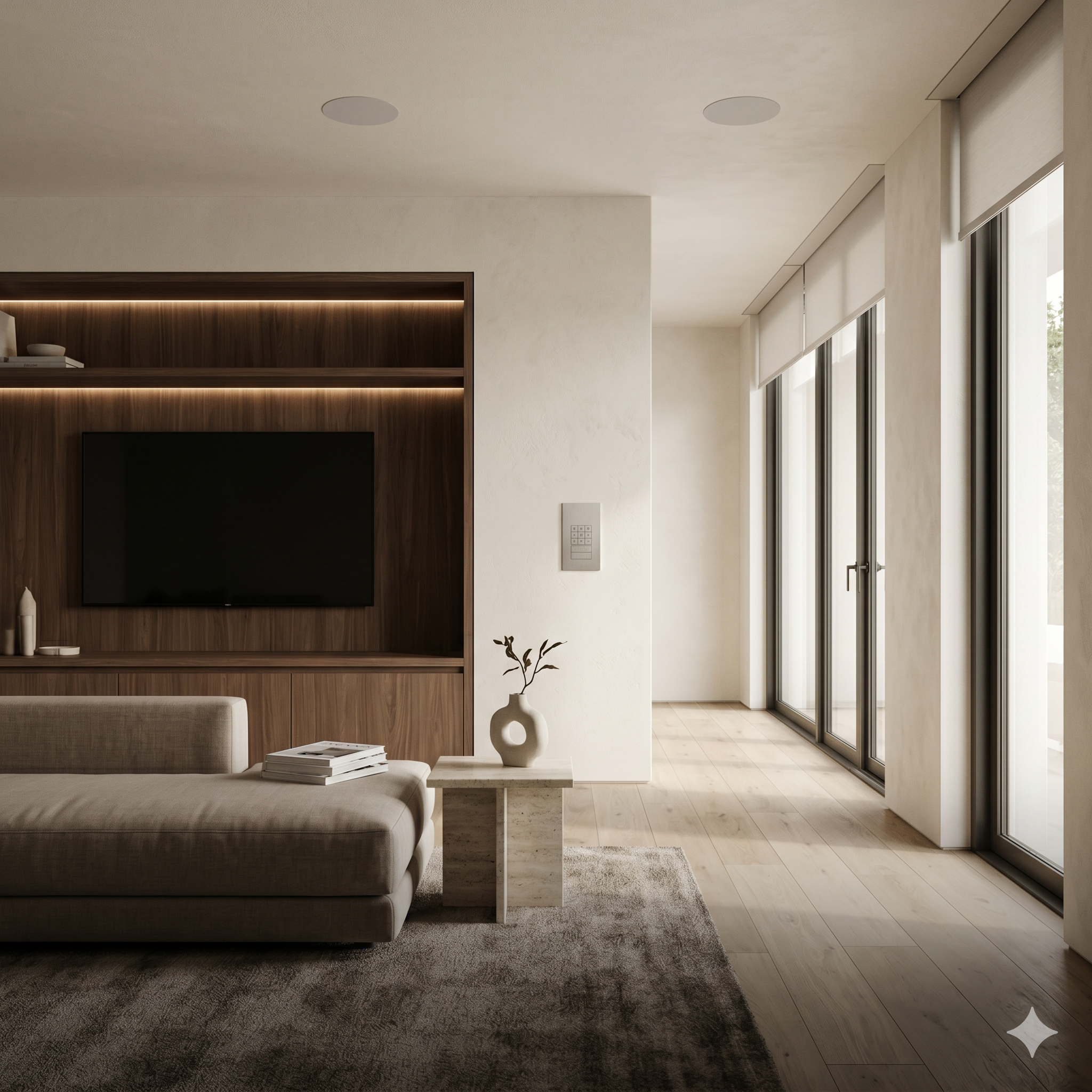
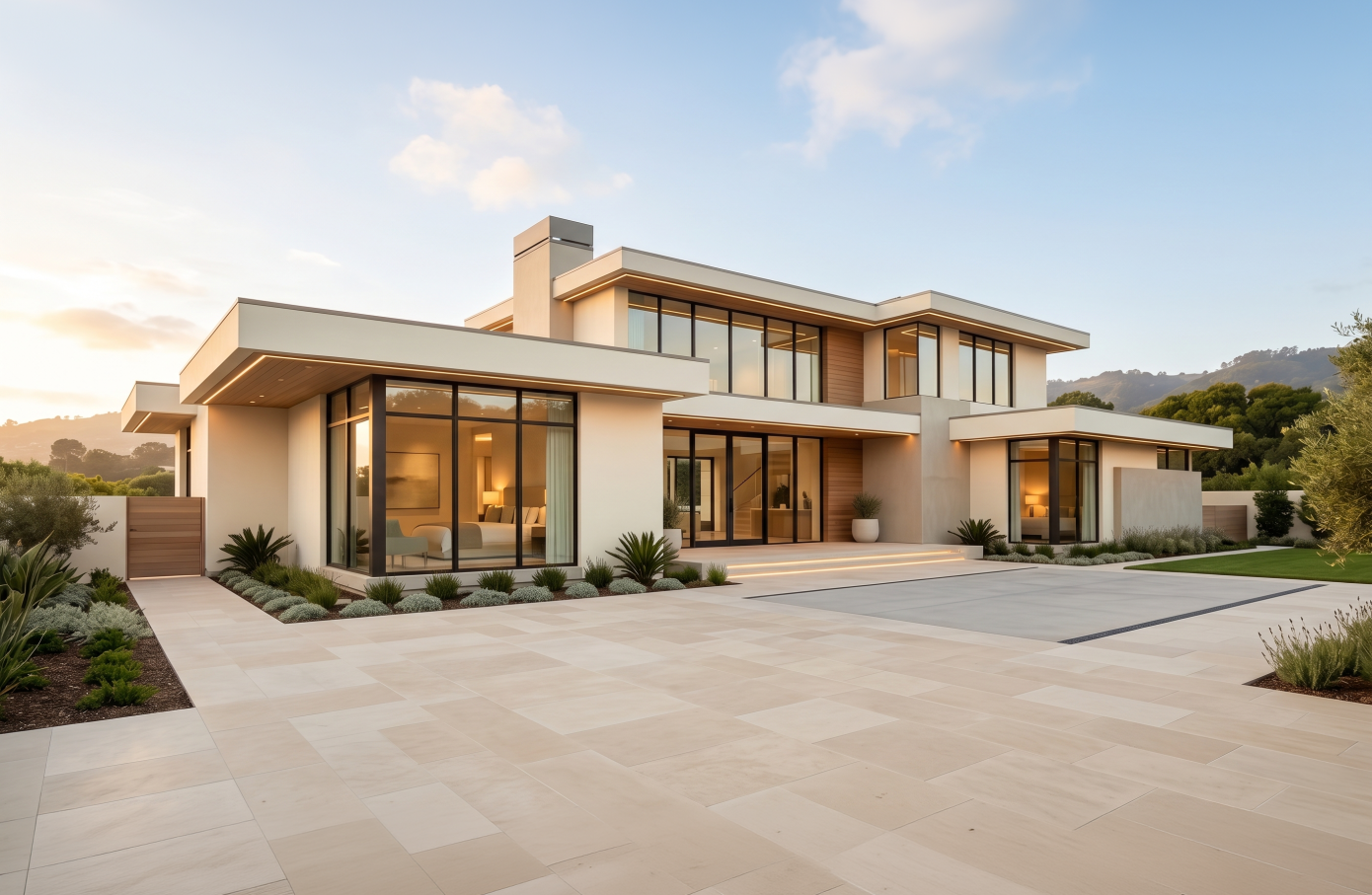
Projects where technology must be integrated from the beginning to protect clean lines, material quality, and visual calm.
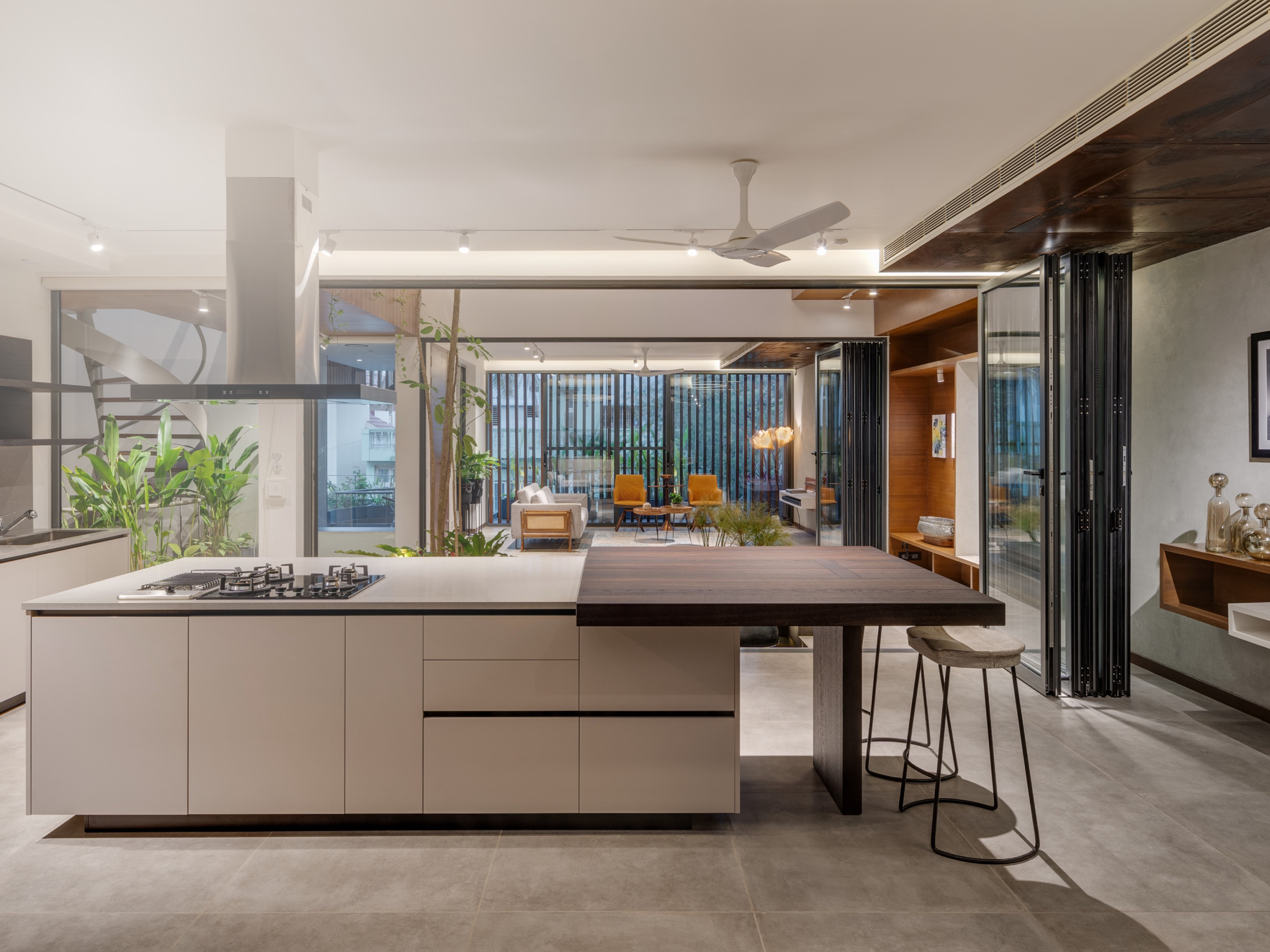
Architects & Interior Designers
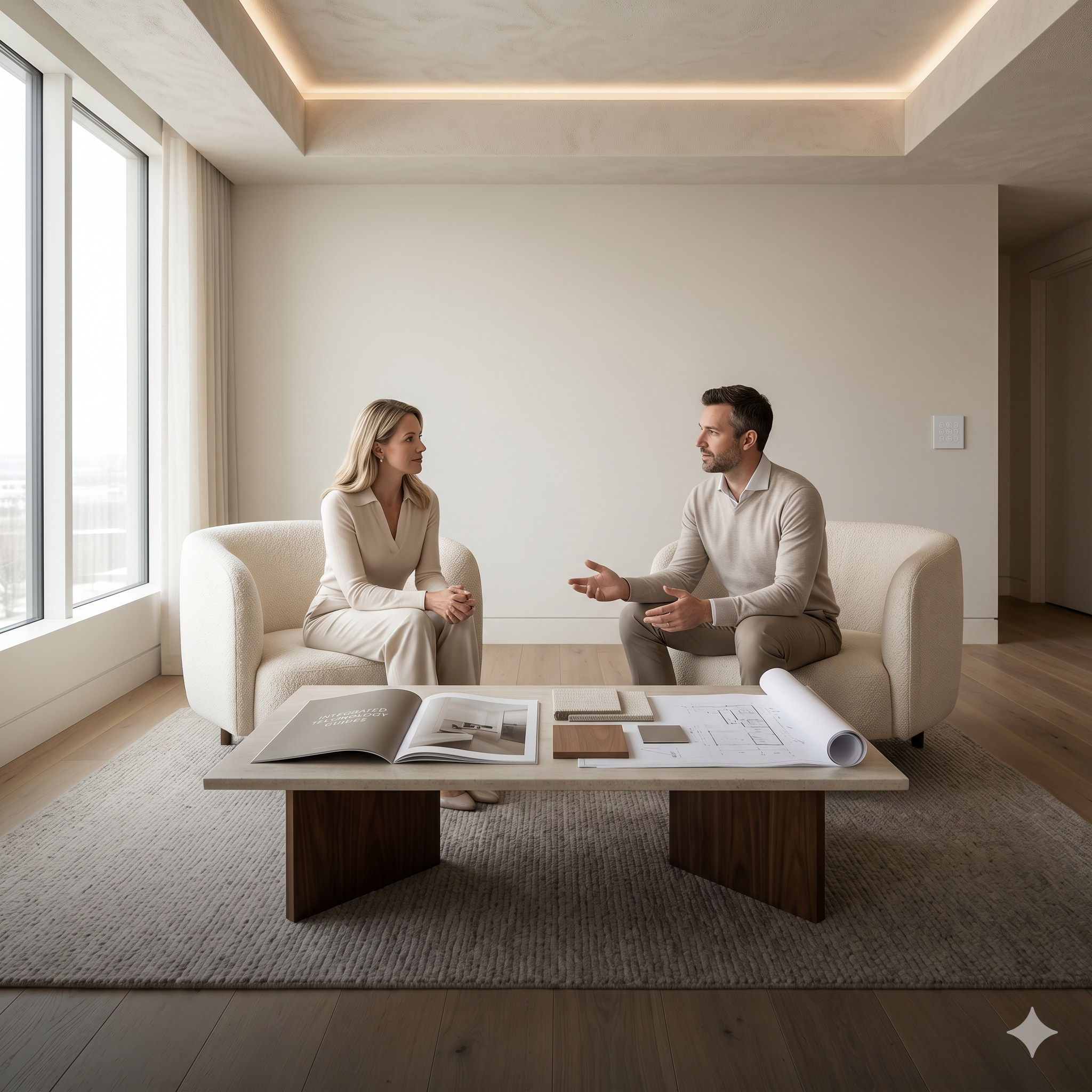
Innovative works with architects and interior designers to integrate lighting, shading, networking, automation, entertainment, and control into projects with precision and restraint. The goal is not to insert more visible systems into the space. The goal is to preserve design intent, reduce compromise, and help the finished environment feel calmer, cleaner, and more intelligently resolved.
Design Intent Needs a Technical Ally
Architects and interior designers are too often forced into the same frustrating scenario: the spatial language is refined, the material decisions are clear, the millwork is resolved, and then a late-stage technology conversation begins introducing visible controls, exposed hardware, lighting inconsistencies, awkward speaker locations, poor shading logic, and last-minute site corrections. Innovative takes a different role. We collaborate early enough to help protect what the design team is building. That means translating technical requirements into design-aware solutions before they become visible compromises. The result is not a more technical space. It is a more coherent one.
Why Designers Need a Better Technology Partner
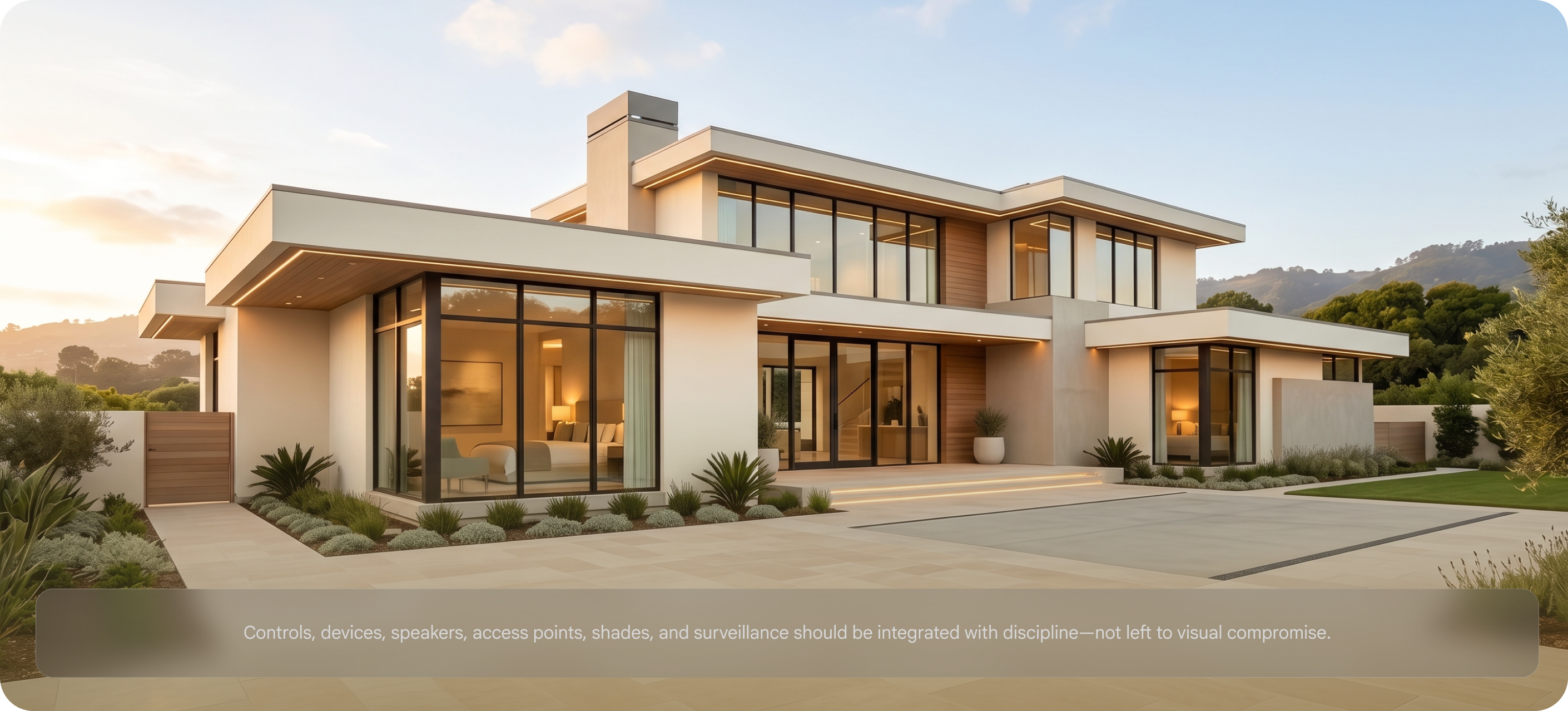
More Than Coordination
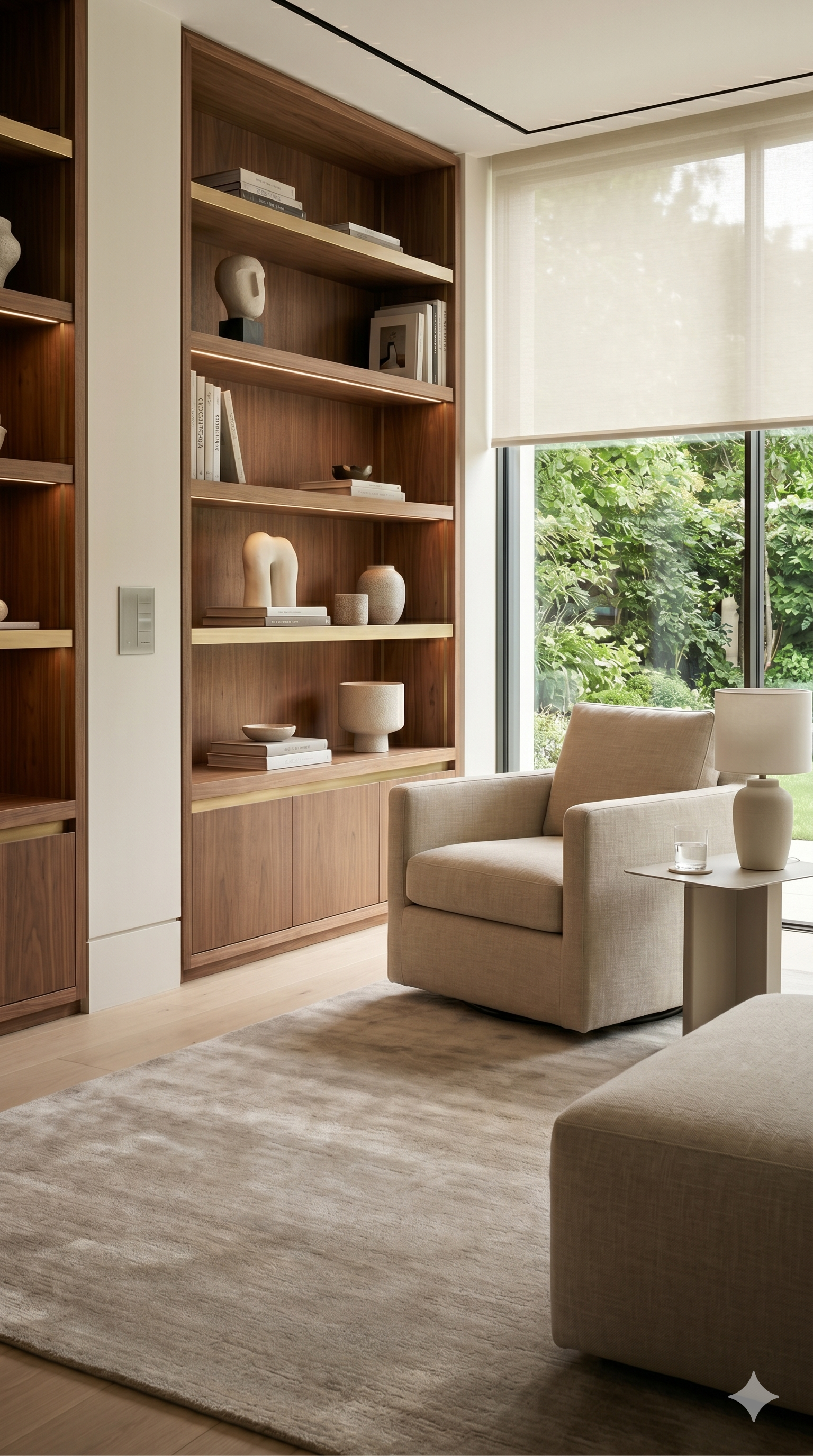
Lighting should support form, materiality, hierarchy, and atmosphere not simply fill rooms with brightness.
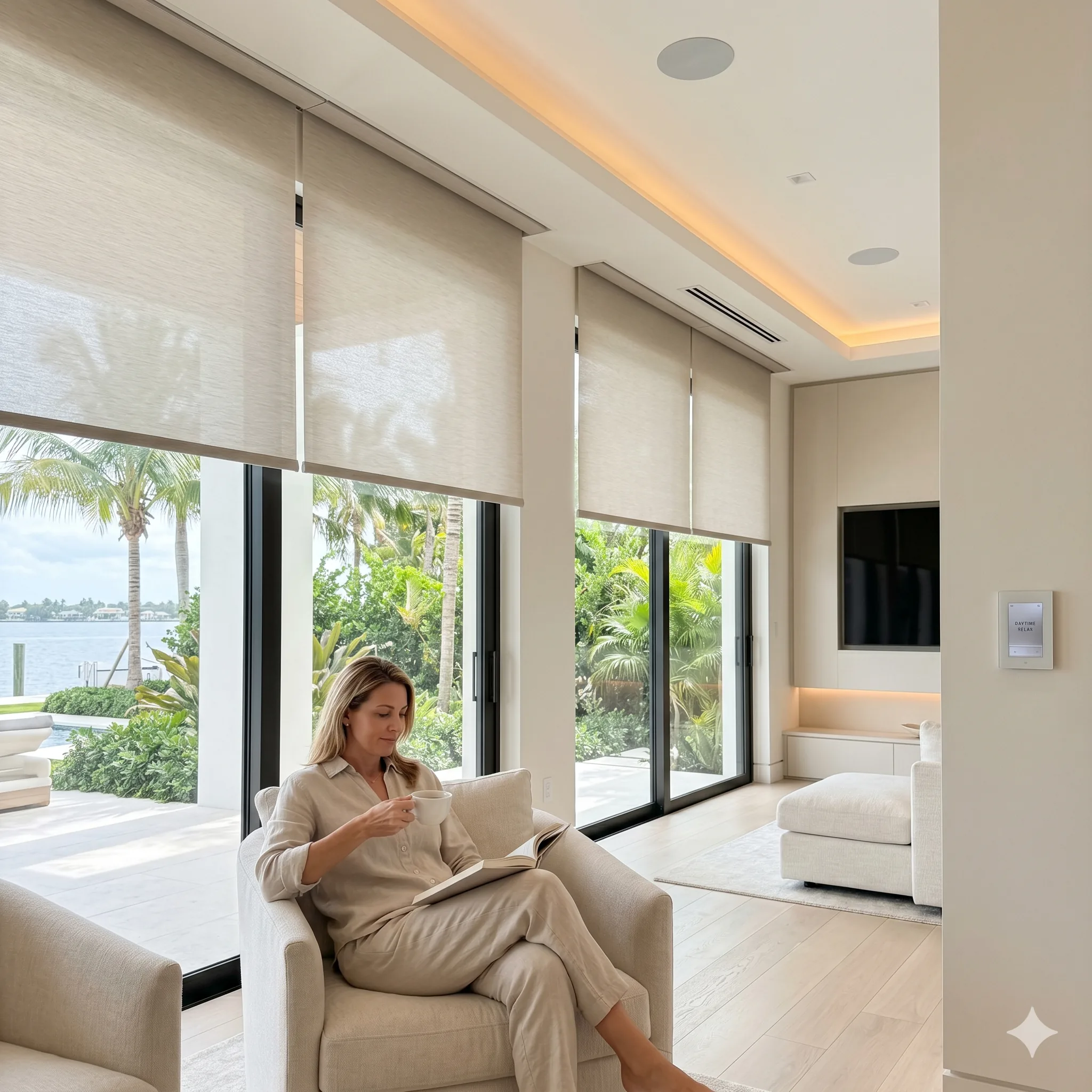
Shading needs to be considered in relation to glazing, daylight, privacy, pocketing, ceiling design, and interior finish language.
Light exposure, privacy, outdoor integration, and infrastructure resilience all require more precision.
The home supports family life, entertaining, privacy, work, and comfort at a consistently elevated level.
Built Around Real Design-Led Projects
Projects where technology must be integrated from the beginning to protect clean lines, material quality, and visual calm.
Spaces where older systems or fragmented upgrades need to be corrected without damaging the character of the project.
Residences where glazing, glare, privacy, outdoor living, and exposure make design-tech alignment especially important.
Guest environments where lighting tone, atmosphere, control, and discreet infrastructure directly affect the emotional quality of the space.
Projects where professionalism, visual polish, privacy, and operational clarity must coexist without technical clutter.
Home theaters, wellness rooms, great rooms, entertaining zones, and other high-impact spaces that need stronger design-technology choreography.
Where Projects Usually Start to Drift
Lighting layers, speakers, sensors, access points, diffusers, and shading requirements quickly compete for the same visual territory.
Displays, control interfaces, hidden equipment, and speaker strategies become harder to resolve after detailed joinery is underway.
Privacy, daylight, pocketing, and control logic often arrive too late to be handled elegantly.
Without discipline, the project accumulates devices that weaken the architectural language of the space.
Clients may end up with a technically capable home that feels frustrating or visually overburdened in everyday use.
The later the intervention, the more expensive, visible, and structurally awkward the solution usually becomes.
A Better Trade Relationship Is Built on Better Tools
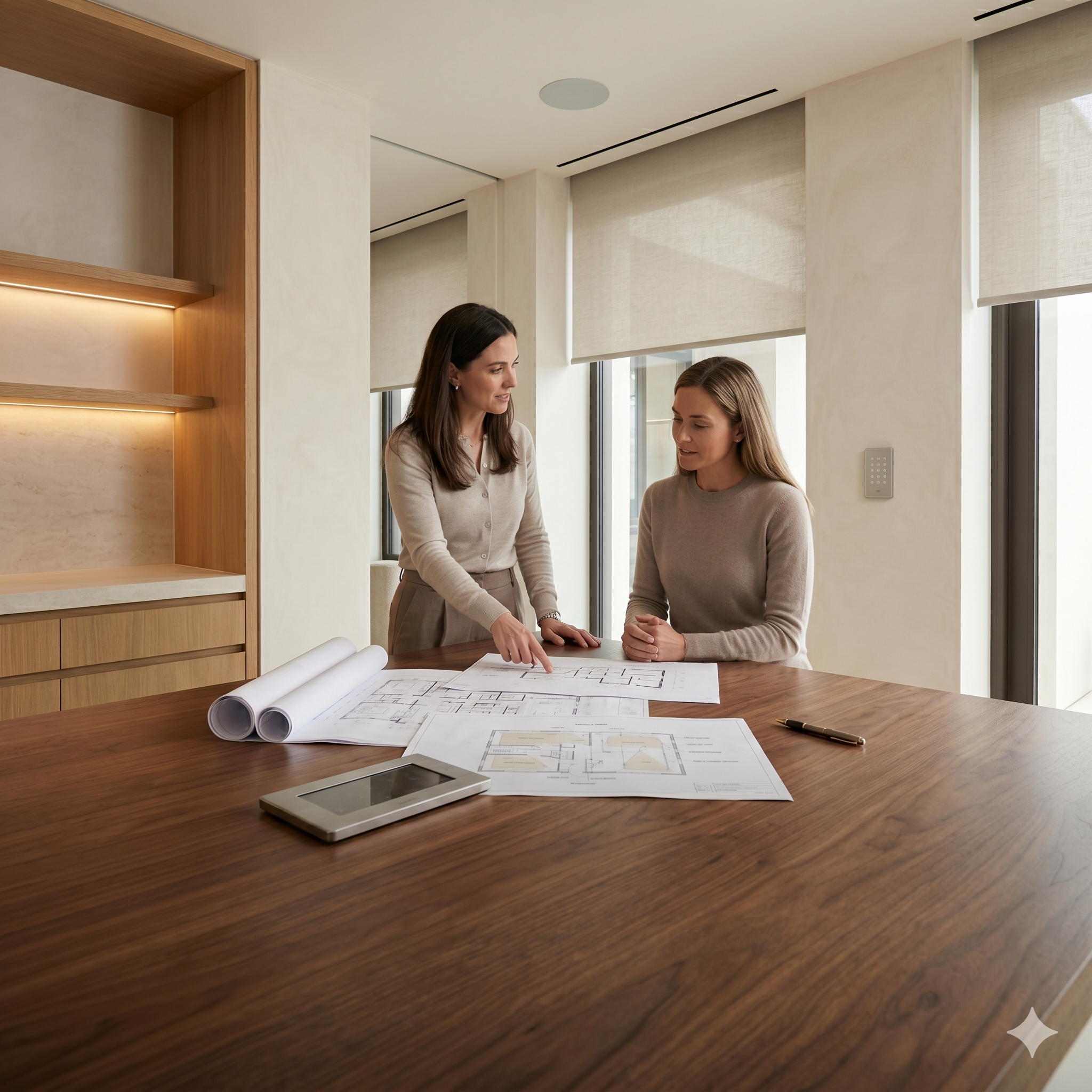
A serious collaboration with architects and interior designers should include practical support: technical guidance, early coordination input, clearer integration standards, and design-aware documentation that helps the team move faster with fewer surprises. Innovative is positioned to support this relationship with more useful trade-facing resources—guideline thinking, specification support, blueprint-level coordination, and education that helps design professionals make stronger technology decisions without compromising the project.
Placeholder — Slide Two
This is editable dummy text for the second slide. Replace it with the real message once the Figma copy is ready.
Keep each slide to one or two short paragraphs so the statement stays easy to read over the photo.
Placeholder — Slide Three
This is editable dummy text for the third slide. Swap it for the intended copy.
The dots beneath the statement rotate automatically and can be clicked to jump between slides.
Placeholder — Slide Four
This is editable dummy text for the fourth slide. Replace it with the real statement.
Each slide carries its own eyebrow, statement, and body.
Placeholder — Slide Five
This is editable dummy text for the fifth slide. Replace it with the real statement.
Remove a slide from the Customizer if you need fewer than five.
Built for the Realities of South Florida Design Work
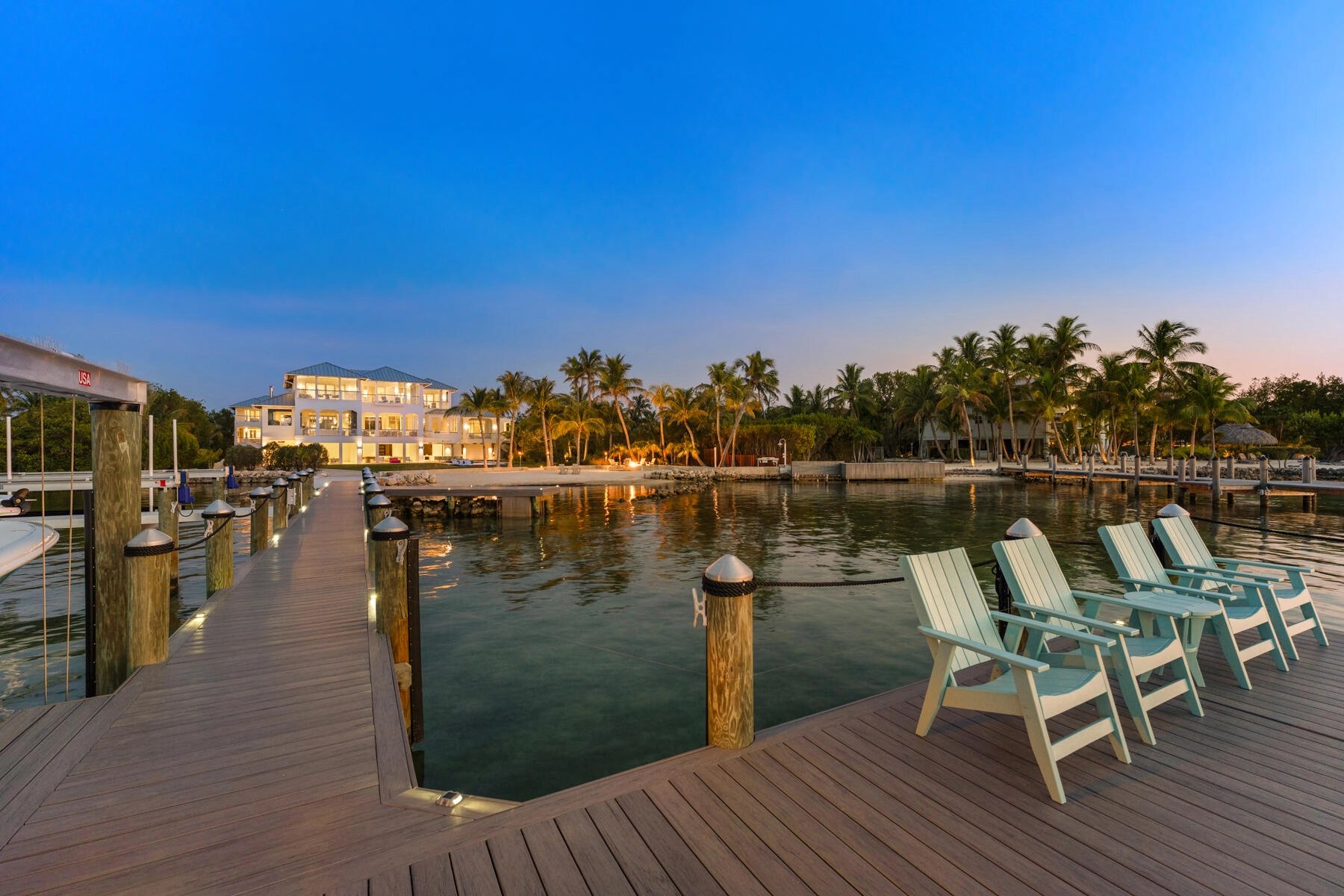
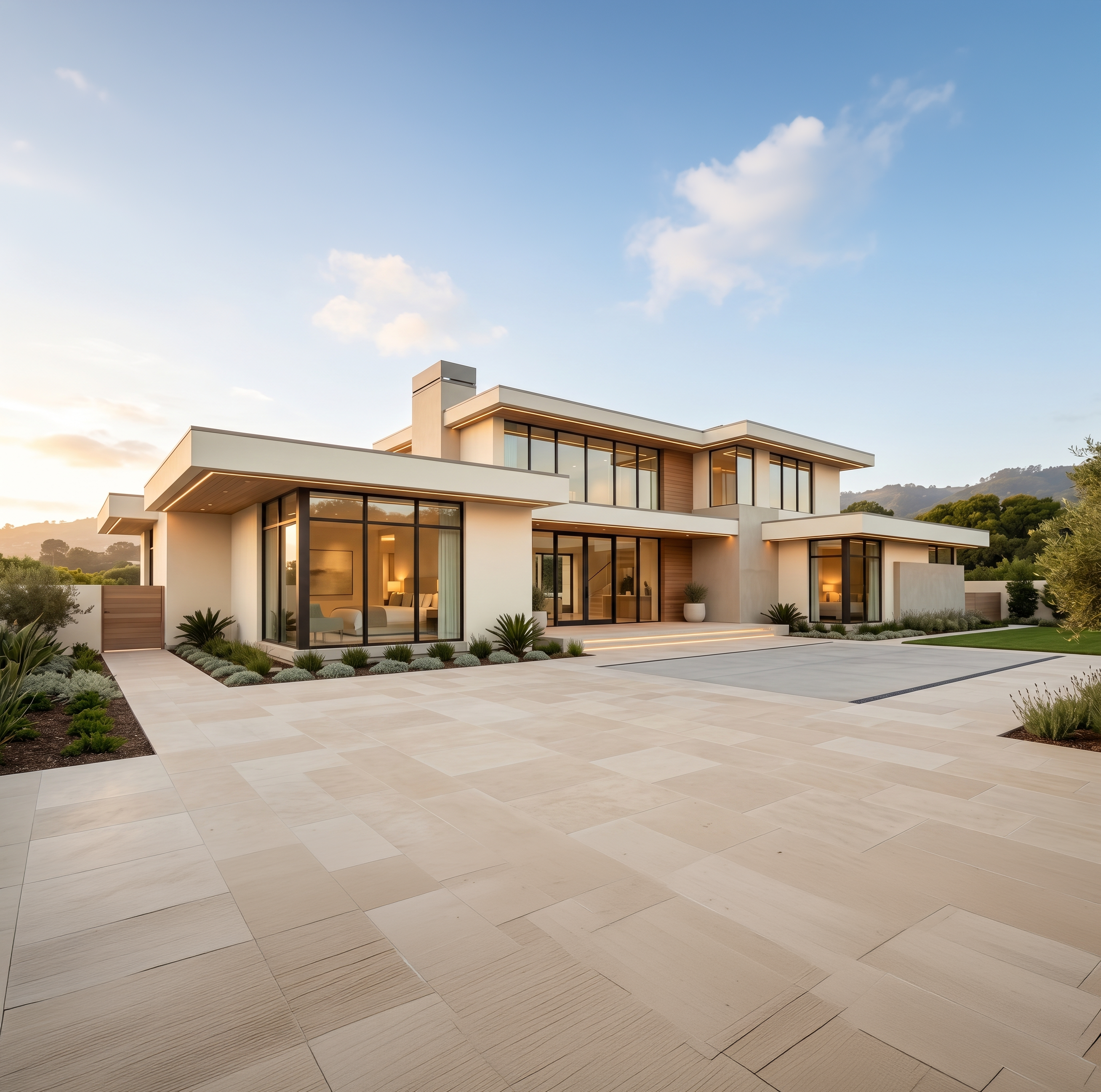
South Florida projects often combine expansive glazing, high-end interior finishes, stronger daylight, coastal exposure, indoor-outdoor living, luxury hospitality influence, and demanding client expectations. In this environment, weak technology planning becomes visible very quickly. Innovative designs with those realities in mind—helping architects and interior designers deliver spaces that feel more coherent, more controllable, and more aligned with the level of refinement the market expects.
Why Innovative
Design-Led Thinking
We begin with the visual and experiential goals of the project—not a list of products to push into it.
For Design Teams Who Want Fewer Compromises
Architects and interior designers benefit most when technology is considered before ceilings harden, millwork is finalized, control locations become permanent, and glazing or shading opportunities are lost. Early coordination protects the visual clarity of the project and reduces downstream disruption. Innovative collaborates closely with architects, interior designers, builders, developers, and site teams to ensure the technology layer is aligned with the design concept, the material language, and the lived experience the project is meant to deliver.
An Operating System for Better Living
The best technology does not demand attention. It works quietly in the background, supporting the architecture, protecting privacy, elevating comfort, and simplifying everyday life. That is the standard Innovative brings to every project. We approach each environment as a complete ecosystem. Lighting, shading, audio, cinema,
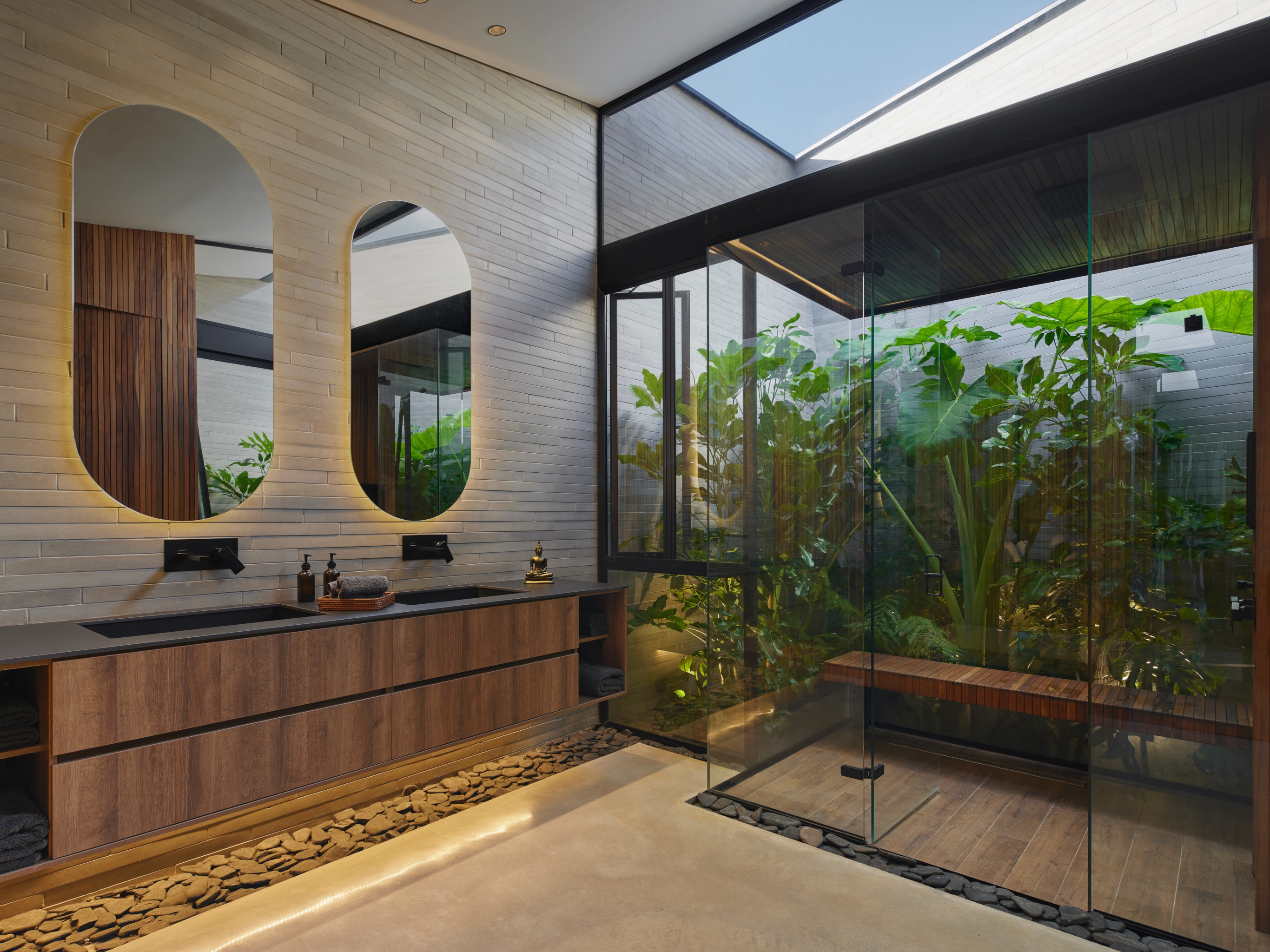
What Better Design-Technology Alignment Changes
The finished project looks cleaner, feels calmer, and functions more beautifully
Start Before the Visual Compromises Start
Whether you are shaping a luxury residence, a coastal property, a boutique hospitality project, or a design-led commercial space, Innovative can help define the right technology strategy early enough to protect the work.