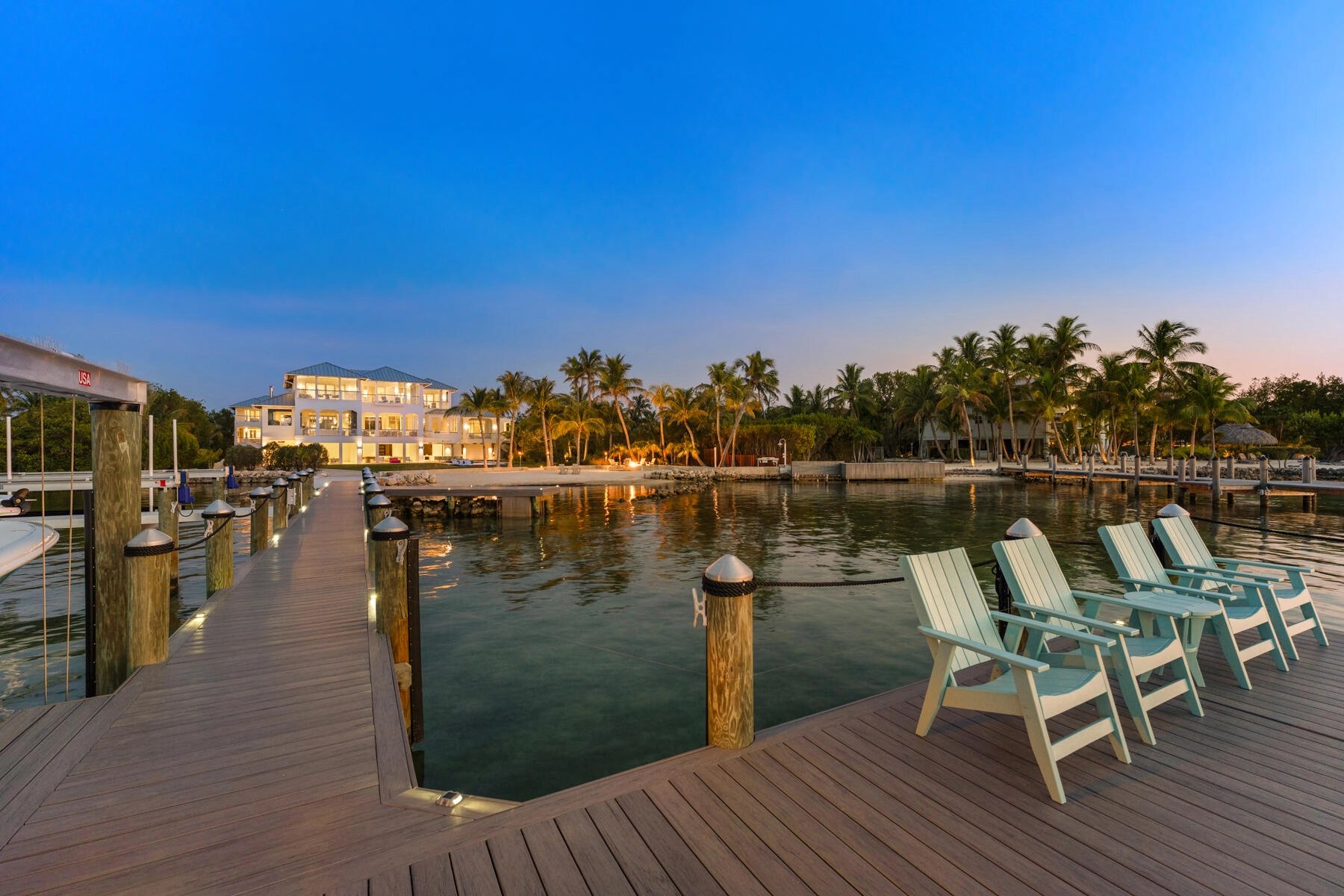
Architectural Lighting & Scene Design
Lighting should shape welcome, mood, energy, intimacy, and time-of-day transitions with precision.
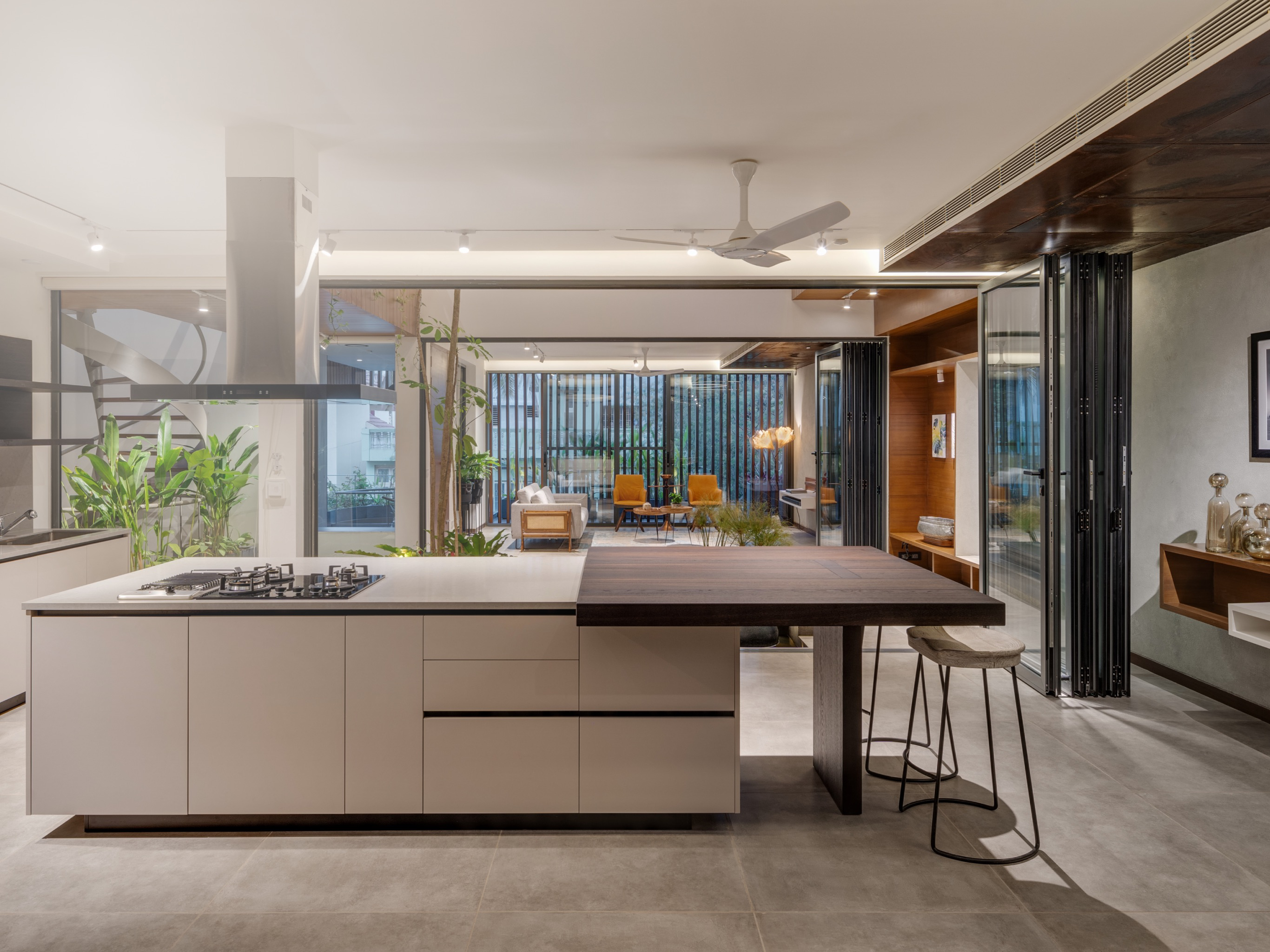
Hospitality
Innovative designs integrated hospitality environments where lighting, audio, networking, control, and guest-facing systems work together to create a more polished, memorable, and operationally smooth experience. The result is not more visible technology. It is a space that feels more welcoming, more refined, and far easier to run.
Hospitality Is Experienced Before It Is Explained
In hospitality settings, technology should not compete for attention. Guests do not arrive hoping to notice the network, the lighting controls, or the equipment strategy. They notice atmosphere. They notice ease. They notice whether the space feels calm, premium, intuitive, and well-managed. That is why hospitality technology cannot be treated as a stack of isolated systems. Innovative designs the environment as one coordinated experience. Lighting supports mood. Audio supports energy. Networking supports seamless operations. Control supports staff without creating friction for guests. The goal is not to install more hardware. The goal is to shape how the space is felt.
Why Hospitality Integration Matters
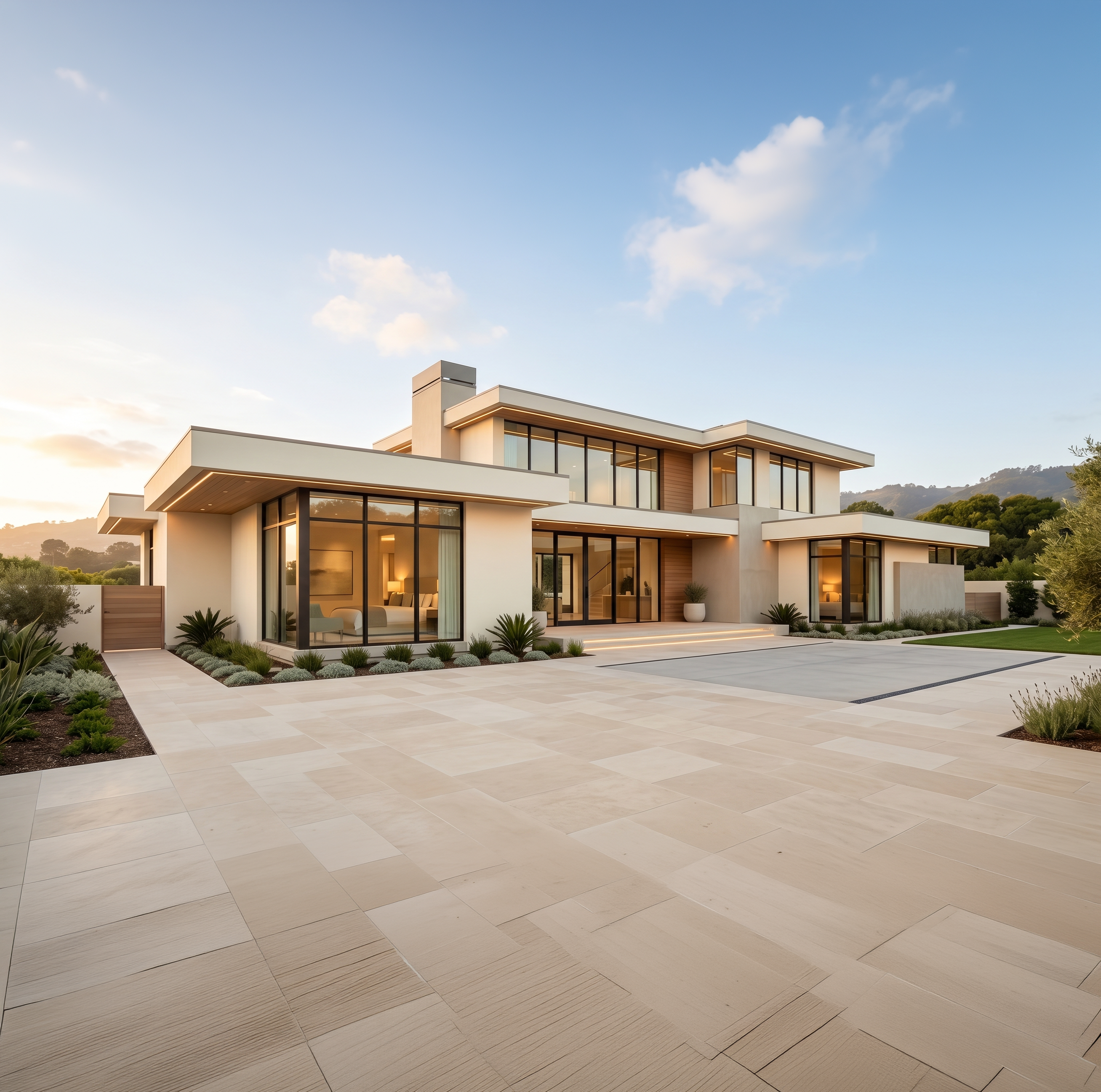
A Guest Experience Operating Layer
Lighting should shape welcome, mood, energy, intimacy, and time-of-day transitions with precision.
Music and sound should support conversation, pacing, social energy, and emotional tone without becoming intrusive.
Operations, payment systems, guest access, staff communication, surveillance, and connected services all depend on reliable infrastructure.
Opening, service-mode, event-mode, evening-mode, and close-down transitions should happen with clarity instead of manual patchwork.
Where displays are part of the hospitality setting, they should feel architecturally integrated and operationally dependable.
Terraces, pool areas, courtyards, lounges, and exterior guest zones should feel like part of the same experience—not disconnected technical spaces.
Hospitality environments perform better when systems can be monitored, maintained, and refined over time rather than ignored until something breaks.
Designed Around the Guest Journey
The entrance sequence, lighting tone, and environmental polish set expectations immediately.
The space should be able to shift its mood naturally as the energy of the day changes.
Light exposure, privacy, outdoor integration, and infrastructure resilience all require more precision.
Different Hospitality Environments, Different Priorities
Spaces where atmosphere, personality, and emotional impression matter more than generic utility.
Settings that require stronger discretion, smoother access, elevated ambiance, and more controlled member experience.
Environments where lighting, audio, and flow shape how people gather, stay, and return.
Spaces where first impression, visual polish, and operational ease are directly tied to perceived value.
New projects where technology should be integrated properly from the beginning instead of corrected later at greater cost.
Spaces where reception, guest zones, service zones, private areas, and after-hours operation still need to behave as one coherent system.
The Space Carries the Brand
A guest-facing environment is never neutral. It communicates something about the brand before a word is spoken. It can feel generic, improvised, and operationally thin—or it can feel elevated, intentional, and deeply trustworthy.
Innovative treats technology as part of that brand expression. Lighting mood, sound quality, operational polish, privacy, and environmental calm all contribute to how the venue is remembered and whether people want to return.
Placeholder — Slide Two
This is editable dummy text for the second slide. Replace it with the real message once the Figma copy is ready.
Keep each slide to one or two short paragraphs so the statement stays easy to read over the photo.
Placeholder — Slide Three
This is editable dummy text for the third slide. Swap it for the intended copy.
The dots beneath the statement rotate automatically and can be clicked to jump between slides.
Placeholder — Slide Four
This is editable dummy text for the fourth slide. Replace it with the real statement.
Each slide carries its own eyebrow, statement, and body.
Placeholder — Slide Five
This is editable dummy text for the fifth slide. Replace it with the real statement.
Remove a slide from the Customizer if you need fewer than five.
Why Innovative
Guest-Led Strategy
We begin with how the space should feel to guests and how the team needs it to operate in reality.
For Homeowners, Architects, Designers, Builders & Developers
Hospitality integration touches lighting layers, sound planning, network architecture, control logic, service pathways, display placement, outdoor guest zones, and long-term maintainability. The earlier these decisions are coordinated, the more elegant and resilient the result. Innovative collaborates closely with owners, operators, architects, interior designers, builders, and developers to ensure the technology layer is aligned with the brand, the service model, and the quality level the hospitality environment is expected to deliver.
An Operating System for Better Living
The best technology does not demand attention. It works quietly in the background, supporting the architecture, protecting privacy, elevating comfort, and simplifying everyday life. That is the standard Innovative brings to every project. We approach each environment as a complete ecosystem. Lighting, shading, audio, cinema,
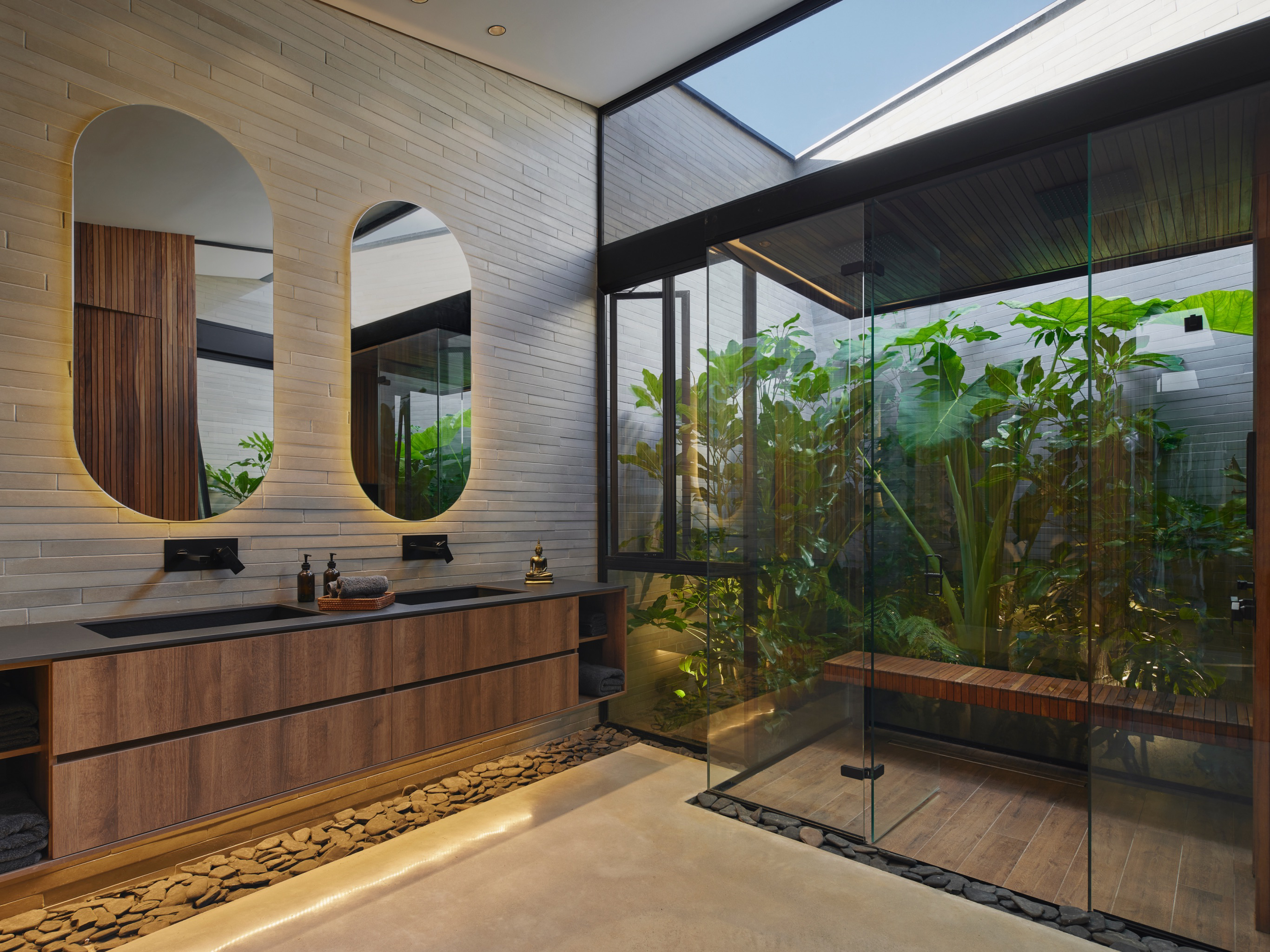
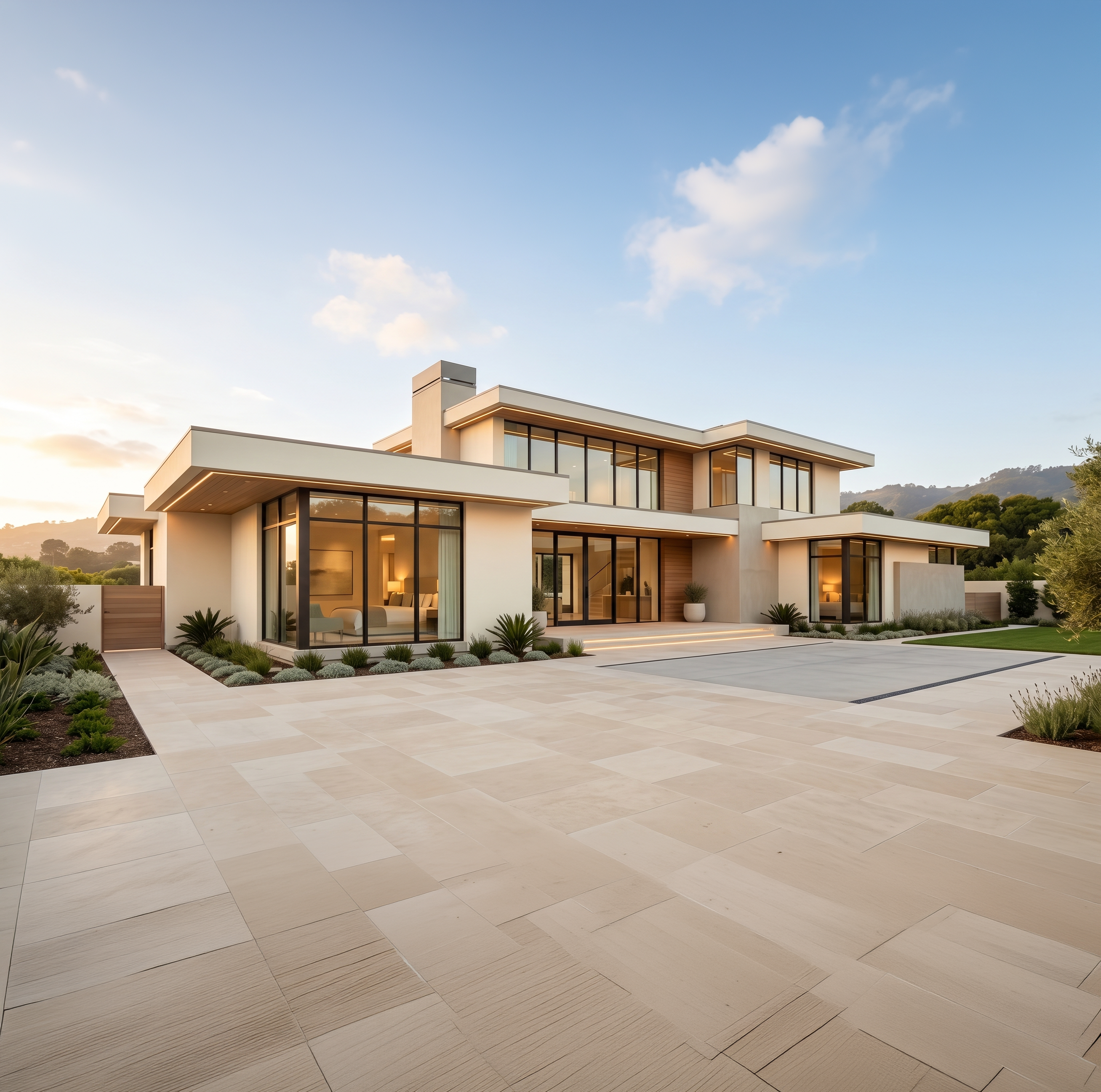
What Better Hospitality Integration Changes
The space feels more memorable, more controlled, and easier to operate
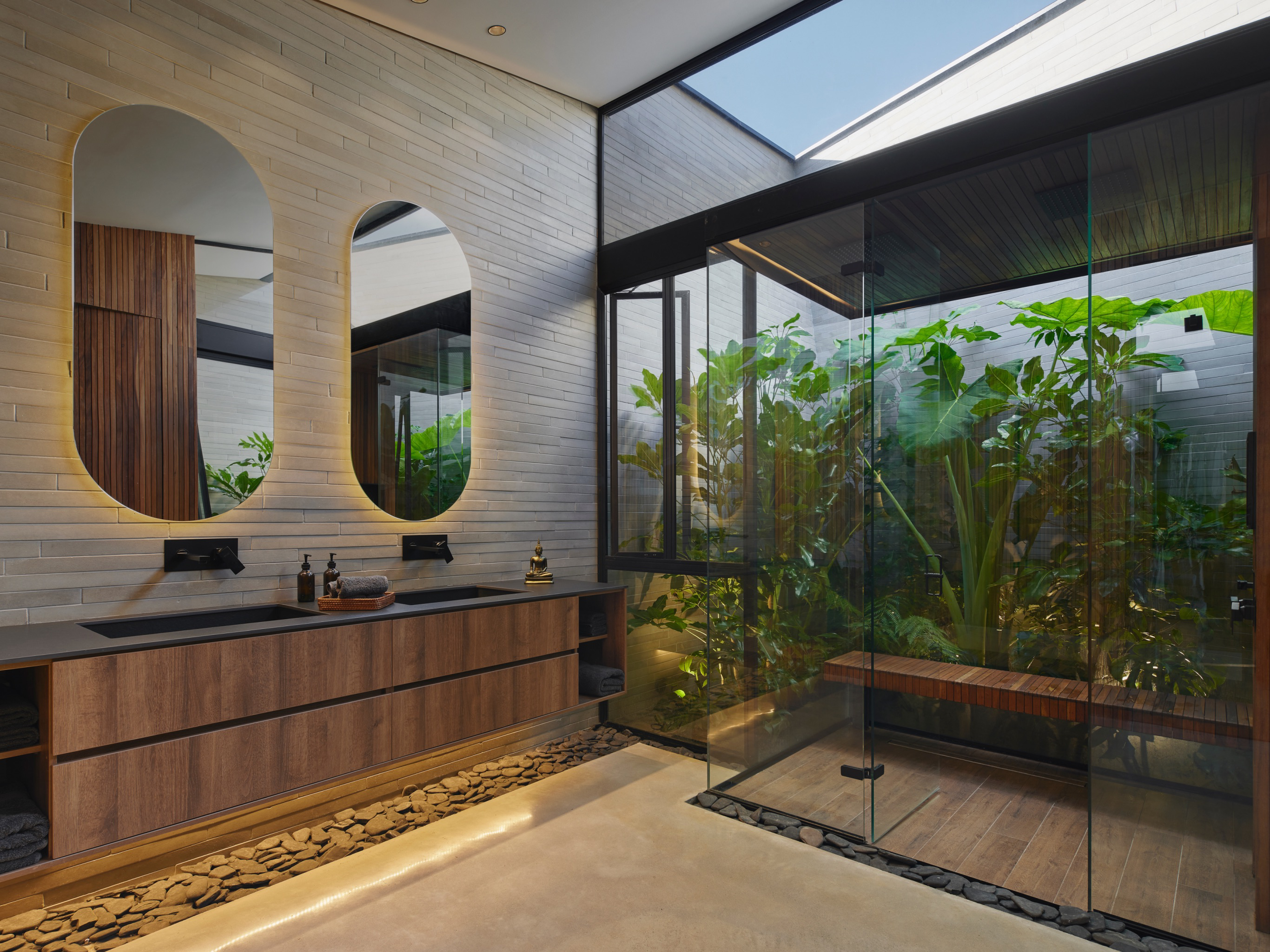
Start with the Experience You Want Guests to Feel
Whether you are planning a boutique hospitality buildout, upgrading a guest-facing environment, refining a social venue, or coordinating a design-led hospitality project, Innovative can help define the right strategy from the beginning.